
Glorious Exploits by Ferdia Lennon: When Art, War, and Humanity Collide Across History

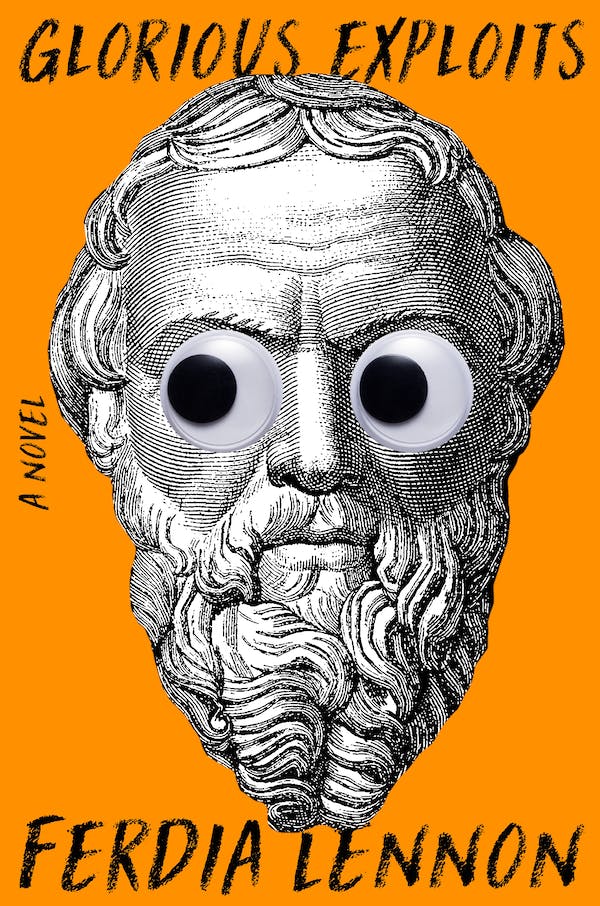 |
| Glorious Exploits by Ferdia Lennon: When Art, War, and Humanity Collide Across History (Pics: Goodreads) |
At its core, Glorious Exploits is not just historical fiction. It is a deeply humane story about empathy across enemy lines, the absurdity of war, and the quiet defiance of creativity. Ferdia Lennon manages to take an ancient historical episode and retell it in a contemporary Irish voice that feels fresh, funny, and profoundly moving at the same time.
A Powerful Historical Setting Rooted in the Peloponnesian War
The novel is set in Sicily during the aftermath of the disastrous Athenian invasion of Syracuse, a pivotal event in the Peloponnesian War. The surviving Athenians, once proud soldiers of a great democracy, are imprisoned in a stone quarry and left to decay. Hunger, despair, and hopelessness dominate their existence, turning them into living reminders of war’s cruelty.
By choosing this moment in history, Lennon highlights how quickly power can collapse and how thin the line is between victor and victim. The quarry becomes a symbolic space, stripped of glory and honor, where human beings are reduced to their most basic needs. Yet it is precisely in this bleak setting that the novel finds its emotional and philosophical strength.
Lampo and Gelon: Unlikely Heroes of Compassion
At the heart of Glorious Exploits are Lampo and Gelon, two unemployed potters from Syracuse. They are not warriors, politicians, or philosophers. They are ordinary men with a fondness for poetry, drink, and idle conversation. Their curiosity and boredom lead them to the quarry, where they encounter the imprisoned Athenians.
What begins as a darkly comic bargain quickly becomes something much deeper. Lampo and Gelon agree to feed the prisoners only if they can recite lines from Euripides. This exchange, at once cruel and compassionate, sets the tone for the novel. It shows how art becomes a form of currency, survival, and resistance in a world governed by violence.
The Radical Idea of Staging Medea
As the story unfolds, Lampo and Gelon hatch an audacious plan: to stage a full performance of Euripides’ Medea inside the quarry. This idea is both absurd and revolutionary. The Athenians, broken and starving, are asked to remember lines, rehearse roles, and embody characters while trapped in a place designed to erase their humanity.
The decision to focus on Medea is significant. The play itself is about betrayal, rage, exile, and the extremes of human emotion. By placing this tragedy within a prison camp, Lennon creates a powerful mirror between ancient drama and lived suffering. Art does not distract from pain; it gives shape and meaning to it.
Art as a Bridge Between Enemies
One of the most striking themes in Glorious Exploits is the idea that you can hate a people but love their art. The Syracusans despise the Athenians as invaders, yet they revere Greek tragedy. Through poetry and performance, enemies begin to see one another not as faceless foes, but as fellow humans capable of beauty and expression.
Lennon explores how art transcends political and military boundaries. The rehearsals become moments of fragile peace, where shared language and creativity briefly suspend the logic of war. These scenes suggest that culture and imagination may be among humanity’s most enduring tools for survival.
A Contemporary Voice in an Ancient World
Despite its ancient setting, the novel is told in a distinctly contemporary Irish voice. The dialogue is sharp, humorous, and often profane, grounding the story in a conversational realism that feels immediate and alive. This stylistic choice makes the characters accessible and relatable, even as they navigate a distant historical world.
The humor is never frivolous. Instead, it acts as a coping mechanism, a way for characters to endure unbearable circumstances. Laughter becomes a subtle form of rebellion, reminding readers that even in times of extreme suffering, people find ways to assert their humanity.
Brotherhood, Friendship, and Moral Risk
The friendship between Lampo and Gelon anchors the emotional core of the novel. Their bond is warm, flawed, and deeply human. As the production of Medea grows more ambitious, the risks escalate, testing their loyalty and moral courage.
Lennon skillfully shows how good intentions can lead to dangerous consequences. Staging a play becomes an act as risky as fighting a war, threatening not only the lives of the prisoners but also the safety of those who dare to help them. The novel refuses easy answers, instead presenting compassion as a brave but costly choice.
The Prisoners as More Than Victims
While the Athenians begin the story as anonymous prisoners, they gradually emerge as individuals with memories, talents, and pride. Through rehearsals and recitations, they reclaim parts of themselves that war attempted to erase. Their voices, once silenced, return through poetry.
This transformation is one of the novel’s most moving elements. Lennon does not romanticize their suffering, but he insists on their dignity. By allowing them to perform, the story affirms that creativity is not a luxury reserved for peace, but a necessity for survival.
Humor and Tragedy in Perfect Balance
Glorious Exploits masterfully balances humor and tragedy. Scenes of comic banter sit alongside moments of profound grief and violence. This tonal complexity reflects the reality of human experience, where laughter and sorrow often coexist.
The novel’s dark humor never undermines its seriousness. Instead, it deepens the emotional impact, making moments of loss feel sharper and moments of joy more precious. Lennon’s ability to move seamlessly between tones is a testament to his narrative skill.
Why Glorious Exploits Resonates Today
Although set in ancient history, the novel speaks powerfully to modern readers. Themes of war, imprisonment, cultural conflict, and the redemptive power of art feel urgently relevant in a world still marked by violence and division. The story asks timeless questions about what it means to be human when systems collapse.
By showing how art can create moments of understanding between enemies, Glorious Exploits challenges readers to reconsider the role of culture in times of crisis. It suggests that empathy is not naive, but radical, and that creativity can be an act of resistance.
Ferdia Lennon’s Remarkable Debut
As a debut novel, Glorious Exploits is extraordinary. Ferdia Lennon draws on his background in history and classics, blending rigorous research with imaginative storytelling. The result is a novel that feels intellectually rich without ever becoming dry or academic.
The book’s critical acclaim, including nominations and major literary prizes, reflects its broad appeal. It works as historical fiction, as literary fiction, and as a deeply human story that lingers long after the final page.
Final Reflections on Glorious Exploits
Glorious Exploits is a celebration of art’s enduring power in the darkest of times. Through unforgettable characters, sharp humor, and profound emotional insight, Ferdia Lennon reminds readers that creativity and compassion are among humanity’s greatest strengths.
This novel is not just about staging a play in a quarry. It is about the courage to see enemies as human, the risk of kindness, and the quiet defiance of imagination. For readers seeking a story that is both entertaining and deeply meaningful, Glorious Exploits stands as a remarkable and unforgettable achievement.


 Posts
Posts







Post a Comment
0 Comments